
Garden transformations
When a garden no longer fits the way you live, changing a single feature may only solve part of the problem. A complete transformation brings the layout, surfaces, boundaries and green space into one considered plan. DWE Landscapes & Design takes on domestic landscaping projects that turn overlooked outdoor areas into places with a clear purpose.
See the garden as a whole
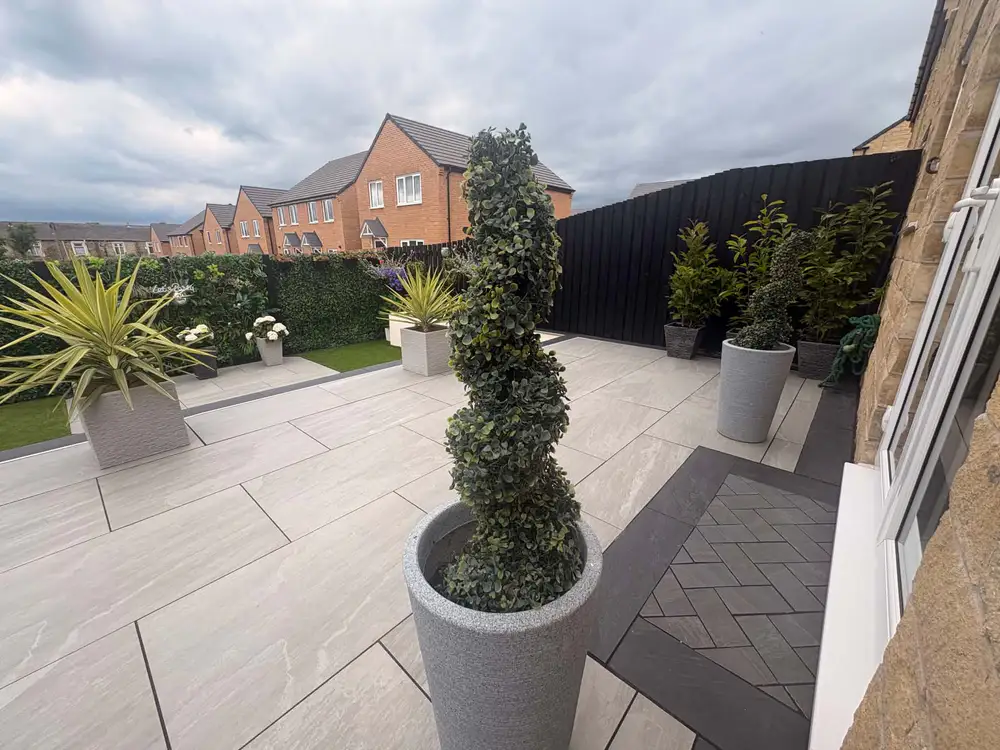
An awkward patio, a tired lawn and a patchwork of boundaries can make a garden feel disconnected. Looking at the whole space allows decisions to support each other: a new path can connect the seating area to the gate, planting can soften a fence, and a change in level can become part of the layout.
We begin with your priorities. That may be more usable room for entertaining, a simpler layout for family life or a quieter place to sit. We also look at features worth retaining, so the finished garden feels considered rather than starting again for the sake of it.
A useful brief distinguishes essentials from extras. Put the features you need every day at the top of the list, then identify the touches you would enjoy if the budget allows. This makes it easier to develop a balanced proposal and compare different ways of improving the space.
Bring the right elements together
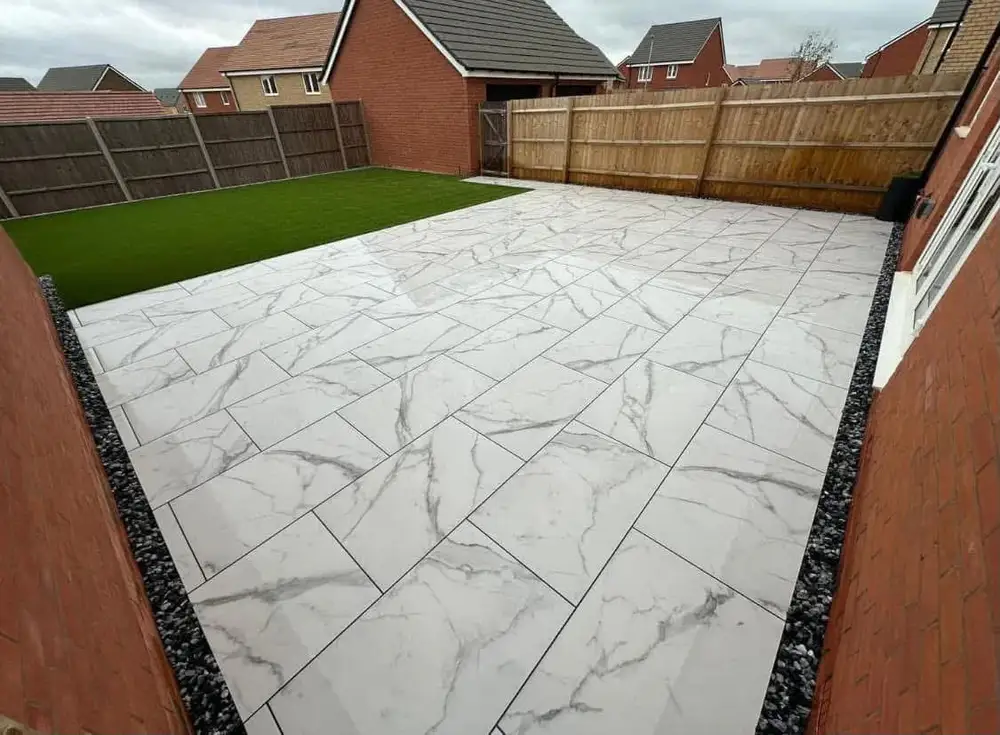
A transformation can include patios, paths, turf, planting, fencing, decking and stonework. The right combination depends on your space and the balance you want between hard surfaces and greenery. A garden does not have to be entirely paved to be easier to manage, and a small border can make a big difference to how a seating area feels.
The connections deserve as much attention as the individual features. Edges, steps and material transitions help the finished garden look complete. During planning, we discuss access, changes in level and drainage considerations so that the visible finish is supported by a practical approach to the site.
Understand the work before it begins
A whole-garden project involves a sequence of work, and access can influence that sequence. Tell us about narrow passages, shared entrances or anything that needs to remain usable. We will discuss the proposed scope, which existing materials need removing and what the quote includes, so you can compare options with a clear picture of the work.
If the full transformation needs to happen in stages, we can discuss a sensible order. It is useful to plan future areas before completing the first phase, especially where later work may need access across a finished surface. Send photographs and your main priorities to start a free, no-obligation quote conversation.
See the details in our work.
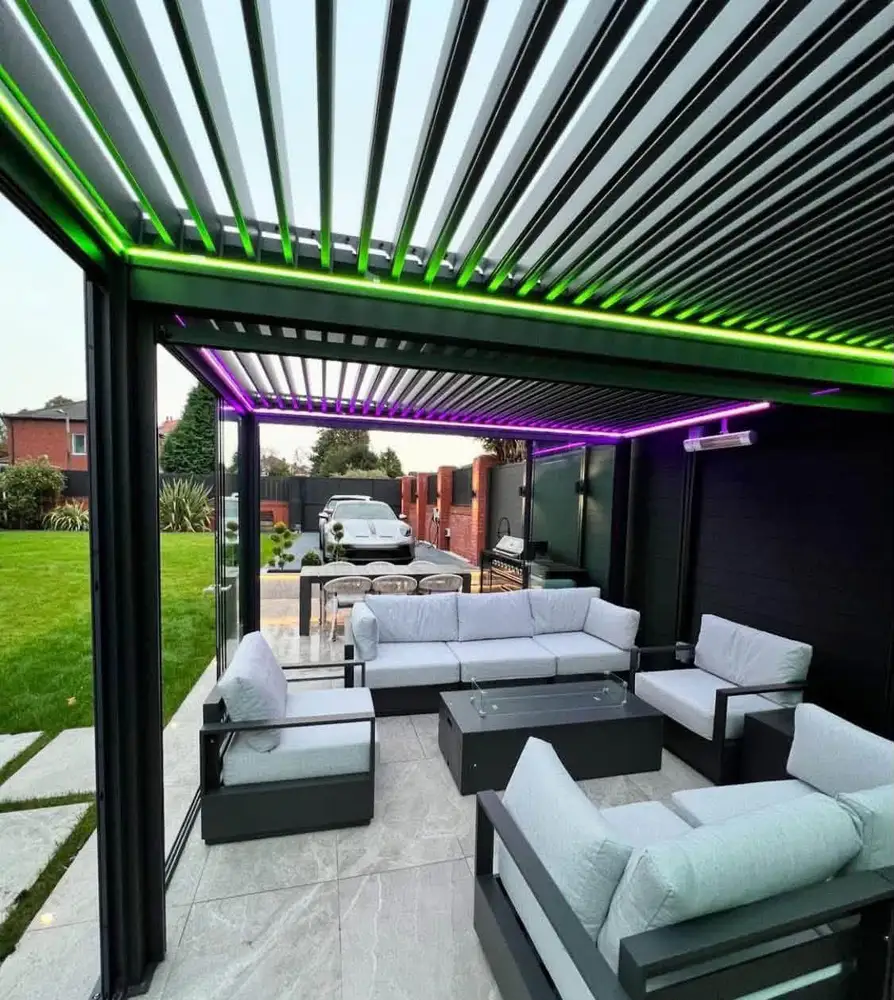
Selected examples from the DWE portfolio. Every proposal is considered for the individual site.
A few useful answers.
Can you transform a small garden?
Yes. In a small space, the relationship between seating, access and planting matters particularly. The aim is to make each part useful without overcrowding the garden.
Will everything need to be removed?
Not necessarily. Existing features can be retained where their condition and position suit the new plan. We can discuss what you would like to keep when looking at the garden.
How long will my transformation take?
Timing depends on the scope, site conditions, access, materials and weather. A realistic programme is discussed once the proposed work is understood; photographs alone cannot establish a reliable completion date.
Bring the whole space together.
Garden design
The best garden is one you want to spend time in.
Fencing & boundaries
Fencing sets the backdrop for your garden.
Decking & pergolas
Decking and pergolas can give an outdoor seating area a stronger sense of place.
Let’s talk garden transformations.
A whole new garden or one thoughtful change. Tell us what you have in mind and let’s make a plan.